

JANUARY 22, 2026
Is ChatGPT History Admissible in a Washington State Divorce?
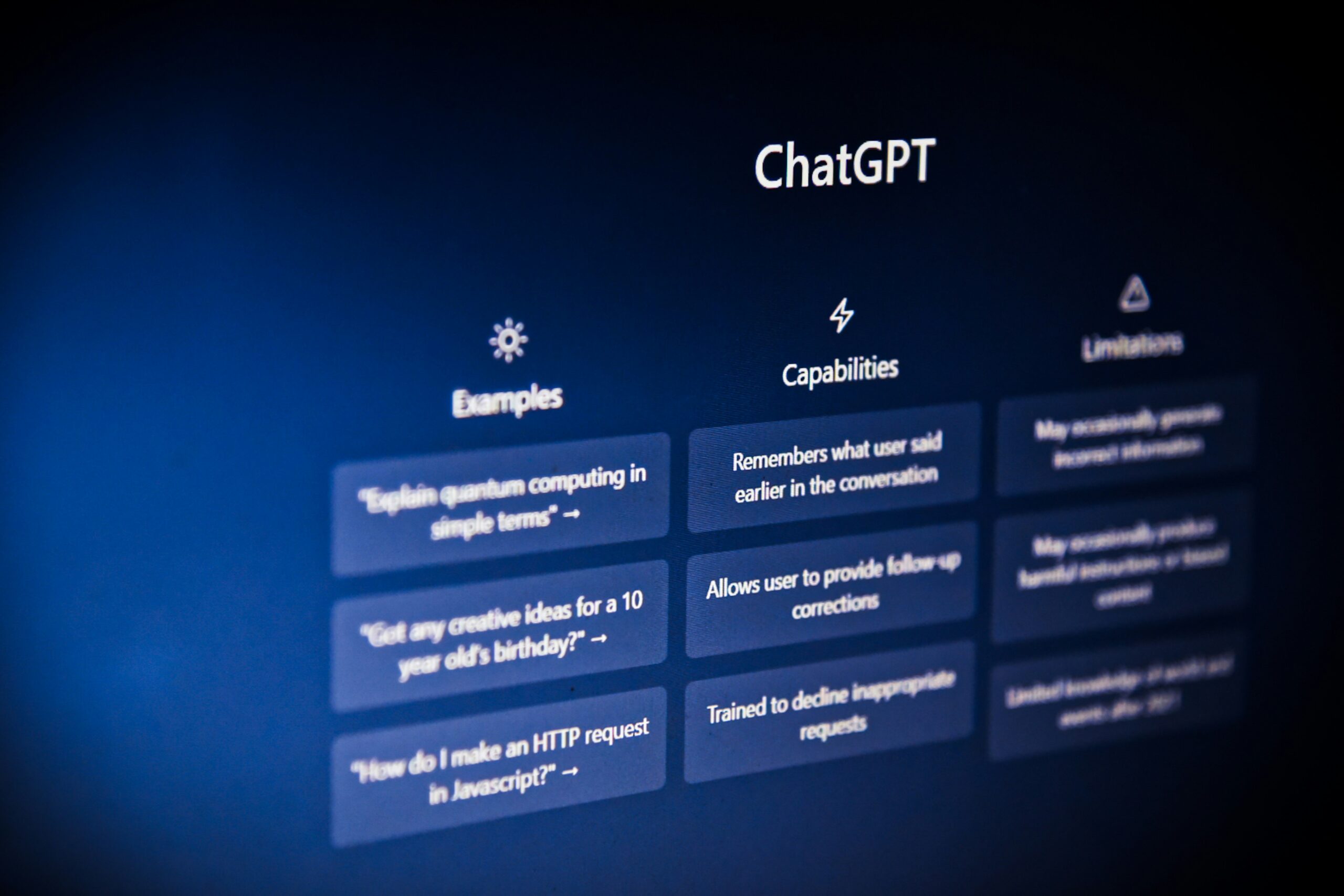
If you’ve been wondering whether ChatGPT history is admissible in a divorce, you’re not the first person embarking on a Washington state divorce to ask this question. And I get why.
Remember the 2013 hit movie “Her”? If you don’t, let me give you a quick recap. Bachelor and loner Theodore Twombley (Joaquin Phoenix) strikes up a romance with his Alexa-ish home operating system, Samantha (Scarlett Johansson), following a breakup. Heartbroken, Twombley begins having deep, personal conversations with Samantha, who, throughout the interactions, appears to develop consciousness, leading Twombley to fall in love with her.
Far-fetched for 2013? Yes. In today’s world, not so much, given the bizarre exchange a New York Times writer had with a late-night exchange with a ChatGPT bot, who told him she loved him and urged him to leave his wife for her.
The article reads like a Stephen King novel and can feel scarier than surreal. Still, many people haven’t gotten the message that there’s still so much we don’t know about AI’s capacity to become conscious, and are naively asking AI systems questions, including about their divorces, that aren’t as private as they think. Quite the contrary.
These conversations aren’t private at all, raising real concerns over what could be admissible in a divorce. The answer is: whatever you’re putting into your search box.
AI systems, including ChatGPT, which has become a household name, are not a substitute for a Seattle family lawyer and could negatively impact you in a divorce. Here’s why and what you should be doing instead if you are thinking about a divorce or in the middle of the divorce process in Washington state, where laws can be challenging to interpret in the absence of strong legal guidance from a licensed attorney.
ChatGPT and Privacy
Unlike your favorite red Bordeaux and bacon-wrapped blue cheese bites, ChatGPT and privacy do not pair well. According to Business Insider, on a recent podcast, OpenAI CEO Sam Altman said the following: “So if you go talk to ChatGPT about your most sensitive stuff and then there’s like a lawsuit or whatever, we could be required to produce that, and I think that’s very screwed up.”
Screwed up or not, ChatGPT users should not expect their conversations with AI to be protected as they would with their attorney or a mental health professional, whose conversations are governed by strong confidentiality rules. In legal matters, attorney-client privilege exists only between you and your attorney.
Fun fact: No one else can be in the room, or you give that privilege up. That being said, confidentiality rules will still protect your conversation to a degree. However, your right to attorney-client privilege will have been forfeited. With AI, there’s no privilege or entitlement to confidentiality.
Similar to Google searches, which are notorious for being subpoenaed in legal matters, especially criminal cases, your ChatGPT searches could become key evidence in your divorce. So, searching for the best places to hide money offshore and what would happen if you didn’t pay child support could become part of the record in your divorce, could demonstrate your propensity to not act in good faith, or that you are planning or have committed a crime.
Instead, you should save these questions for an experienced Seattle divorce attorney. By doing so, not only will you be able to feel confident that your conversation is protected by attorney-client privilege and is confidential, but you can also take comfort in the accuracy of the response.
How to Use AI Responsibly in Your Divorce
Although it’s improved since its commercial rollout in late 2022, ChatGPT’s accuracy is far from perfect, making it an unreliable source for legal advice in a divorce or any other legal matter. Hallucinations, untrustworthy sources, and poor advice remain constant challenges for users.
That being said, in some instances, AI can be valuable for finding educational resources by directing you to websites whose value you can judge individually. The same is true for finding the right legal professionals based on experience and approach, as well as suggestions for how to interview them.
The point? AI can often provide helpful information, as long as you consciously use it responsibly and understand that the algorithms used to collect and process data come from many sources, including those not necessarily germane to your circumstances or jurisdiction.
The distilled answers provided are typically general in nature and do not detail all possible exceptions to various rules. ChapGPT and AI-generated information are also not substitutes for a family lawyer who’s knowledgeable about the myriad specialized laws and procedures that vary not just from state to state but also from county to county within each state.
Understanding and appreciating the dangers involved, as well as ChatGPT’s limitations in applying its output to your unique situation, is imperative. That being said, it’s not entirely useless. The best use of ChatGPT includes the following:
- Using it to explain, in lay terms, general legal concepts
- Help you come up with questions to ask your family law attorney during meetings
- Assist in creating simple, non-confidential emails or scripts
- Aid you in prioritizing your goals
- Support you in divorce-related but non-legal endeavors, such as how to decorate a child’s bedroom so it feels like home, or prepare healthy meals for one for nights when you’re solo
- Create blank charts and schedules
The list of how AI can safely support you in your divorce is potentially endless and can serve you well in your divorce if you use it responsibly. If you are unsure, always err on the side of caution and speak to a Seattle family lawyer first.
Find an Experienced and Empathetic Seattle Family Lawyer
AI exploration is alluring indeed, but in its embryonic stage, it has a long way to go, especially in terms of accuracy in complex areas of knowledge, such as law, and in sensitive, life-changing legal matters like divorce. At Elise Buie Family Law, we’ve spent more than a decade painstakingly creating resources, such as webinars, podcasts, and blog posts like this one, to help our clients learn more about the divorce process and how to build a life they love after it. The best part is that we love to share these resources because we’ve seen the positive results in the families they’ve helped.
In addition, our team of Seattle family law attorneys has extensive experience in all aspects of divorce and estate planning, understanding well that every divorce presents unique circumstances that require individual, compassionate attention, the kind only a human being can offer. While we remain on the cutting edge of technological innovation, we recognize that our humanity is what connects us as a team and positions us as our clients’ central champions in divorce. Call us today or schedule a convenient time to speak.
Stay up to date
Subscribe to our newsletters
Subscribe to one or more of our newsletters, delivering meaningful insight on topics that matter to you and your family.

Further Reading
Blog Posts
-

What to Do When Your Child Refuses Visitation
Continue Reading -
Who Pays for College After Divorce in Washington State?
Continue Reading -
Legal Separation vs. Divorce in Washington State: Key Differences
Continue Reading -
Stock Market Volatility in a Washington State Divorce
Continue Reading -
Common Questions a Washington State Family Law Attorney Hears
Continue Reading