

APRIL 9, 2026
Washington Estate Planning for Jewelry, Valuables, and Collectibles
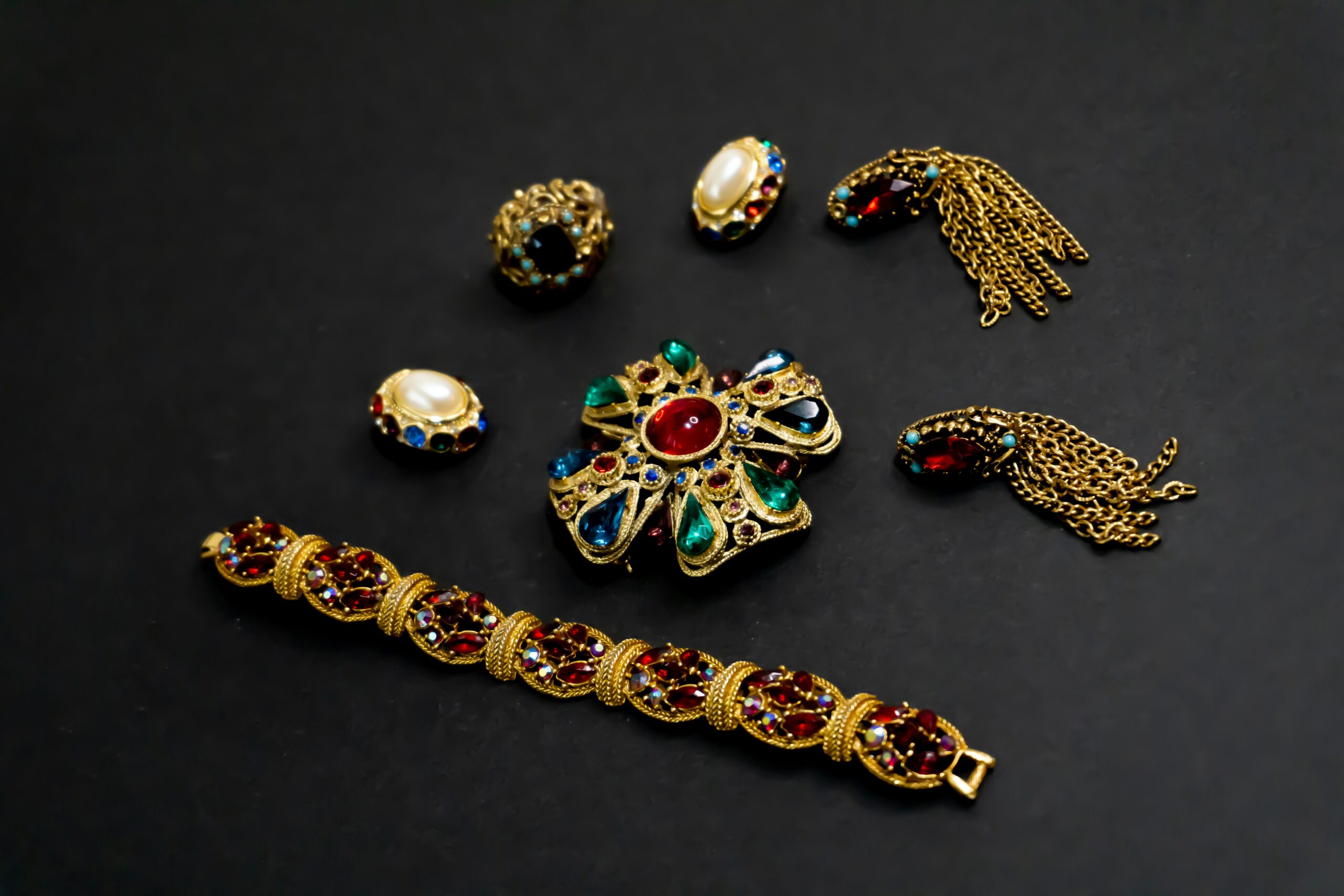
Estates comprise more than real estate and financial assets. Personal property, such as jewelry, collectibles, and designer clothing, for example, is all part of a person’s estate when they pass. Such items may or may not hold significant monetary value. However, those same items may possess sentimental value, still making them the potential subject of disputes over who’s getting what, both before and after you die. Fortunately, in Seattle and throughout Washington state, there are strategies you can take during your lifetime in accordance with your estate plan to keep conflict and confusion from arising. An explanation of those strategies follows.
Keep a Personal Property Memorandum Alongside Your Estate Plan
In Washington, a personal property memorandum is the simplest way to specify who receives items like jewelry, artwork, and collectibles without having to rewrite your will each time you decide to make a change. To create an effective personal property memorandum, create a list of each item you want to include, a description of it, and the name of the person you want to receive it. Then reference this document in your will. Doing so will give it legal effect under Washington law.
The more specific the personal property memorandum is, the better. Therefore, it helps to include clear descriptions, photos, and, if the item warrants it, appraisals to avoid any confusion about what you are referring to. Once you complete the personal property memorandum, be sure to sign and date it for added measure, even if the law doesn’t require it. You should then store it with your will (not in a safe deposit box), so your loved ones can easily locate it when they need to.
Though creating a personal property memorandum can be one of those so-called annoying tasks on your to-do list, it’s worth the effort not only for the clarity it provides but also the flexibility it offers, since you can revise the list as your relationships or priorities change without incurring the time and cost of updating your will. Done with intention, a personal property memorandum can prevent misunderstandings and reduce tension among family members, especially immediately following your passing, when you would want to ease their suffering, not increase it.
What You Cannot Reference in a Personal Property Memorandum
Though a personal property memorandum works well for accounting for the types of items described in the previous section, Washington law places limits on what you can include. For example, you cannot use it to reference financial assets or ownership interests. More specifically, you cannot use a personal property memorandum to pass down stocks, bonds, or cash, including bank accounts. There is an exception: Cash collections, such as an antique coin collection or another unique type of cash collection, would likely be allowed. A personal property memorandum also will not cover IOUs, intellectual property, or business assets such as office equipment or inventory.
A final caveat: You want to avoid referencing the same item in both your will and the personal property memorandum so as not to have conflicting instructions. Those kinds of discrepancies open the door to confusion and, along with it, family disputes.
Utilize Trusts in Your Estate Plan for Valuable Collections
When a collection has significant value or requires ongoing care, a revocable living trust can be a helpful vehicle for passing down and preserving valuables. Think fine jewelry, art, wine, or classic cars, where storage, insurance, or maintenance may need to continue after your death.
In Washington, placing these assets in a revocable trust allows them to bypass probate, saving time and money and reducing administrative headaches. It also lets you name a trustee to manage the collection in accordance with your specific instructions, including whether you want your items distributed, maintained, or sold, and how the proceeds should be handled afterward.
Again, the idea is to reduce confusion and prevent conflict by providing clear direction. Without such direction, important decisions may be open to debate and ultimately decided by the state. For families with high-value assets or collections, a trust can provide much-needed structure and stability that a simple distribution plan may not.
Give Your Heirs Valuables While You Are Alive
There is intrinsic value in seeing a loved one enjoy a gift you give them while you are still here, especially if they have expressed interest in becoming the next owner of that family keepsake. Lifetime giving also allows you to confirm that the person you have in mind to receive an item from you actually wants it. Having this intel allows you to allocate the worldly possessions you hold dear to those who will cherish them as much or more than you do.
Moreover, when you give a gift while you are alive, it’s said and done. Any conflict that arises as a result, you’re here to deal with. Lifetime giving also minimizes the number of decisions your family needs to make after your death during an already difficult time.
From a planning perspective, lifetime giving can simplify your estate. Fewer items remain to be distributed, so your written documents can focus on just a few things rather than many. For families with already strained relationships, this strategy leaves you in control while you can be.
Be Careful Not to Burden Your Heirs With Personal Property They Won’t Want
It is easy to assume that what you value will hold the same meaning for future generations in your family. In reality, that is not always the case. Collections that took you years to build may feel like a burden to your loved ones rather than a gift. If this is the case, the gift you can give your loved ones is to dispose of your things during your lifetime so they won’t have to. There are systematic ways to do this.
Swedish death cleaning, for example, is a process of gradually reducing personal belongings. It encourages people to sort through their items while they can, so that they can make informed decisions about what to keep, give away, or sell.
This is not the time to be shy. Ask the people in your life what they actually would want from you. You may learn that they would treasure a few meaningful pieces from a collection more than they would the entire collection. Just knowing this can bring you (and them) both happiness and comfort.
Consult a Washington State Tax Professional to Weigh Your Options
Before transferring valuable items, it is worth speaking with a professional to evaluate any tax implications that may exist. While Washington does not have a state inheritance tax, it does have an estate tax that may apply depending on the size of your estate. Then there are potential federal tax implications to consider.
A Washington state tax professional can also help you decide whether it makes sense to gift your valuables during your lifetime or wait to transfer them through your estate after you die. Moreover, they can explain how valuations work, especially for items like jewelry or art that can fluctuate in value.
Don’t worry if you don’t know a tax professional yet. An estate planning practice with an extensive network in Seattle and throughout Washington state should be willing to refer you to one they work with frequently and trust.
Speak With a Seattle Estate Planning Lawyer About How to Pass Down Valuables in Your Washington Estate Plan
Coming up with a strategy for passing down valuables in Washington involves more than just listing who gets what. How well you coordinate your estate planning documents with your intentions for your personal effects can directly influence how smoothly your affairs are settled when the time comes.
At Elise Buie Family Law, our team of experienced Washington estate planning attorneys can help you align your will, personal property memorandum, and any trusts so they work together without conflict. We can guide you through Washington’s rules, including how to reference a personal property memorandum in a will and how to structure a trust for valuable items. Finally, we can provide practical advice about how best to navigate complicated family dynamics to create order for you and your family. Contact us today or schedule a convenient time to speak.
Stay up to date
Subscribe to our newsletters
Subscribe to one or more of our newsletters, delivering meaningful insight on topics that matter to you and your family.

Further Reading
Blog Posts
-

How Marriage Length Affects Spousal Maintenance in a Washington State Divorce
Continue Reading -
Balancing Transparency and Privacy in Estate Planning
Continue Reading -
How Business Ownership Complicates Washington State Divorce
Continue Reading -
Saying No Without Guilt: Handling Requests Around Estate Planning Decisions
Continue Reading -
Navigating Divorce With Confidence, Communication, and Care
Continue Reading